Conveniently enough, three must-see Sendai sightseeing spots are all clustered together (they’re each about a fifteen minute walk apart), so it’s pretty easy to see them all in one shot.
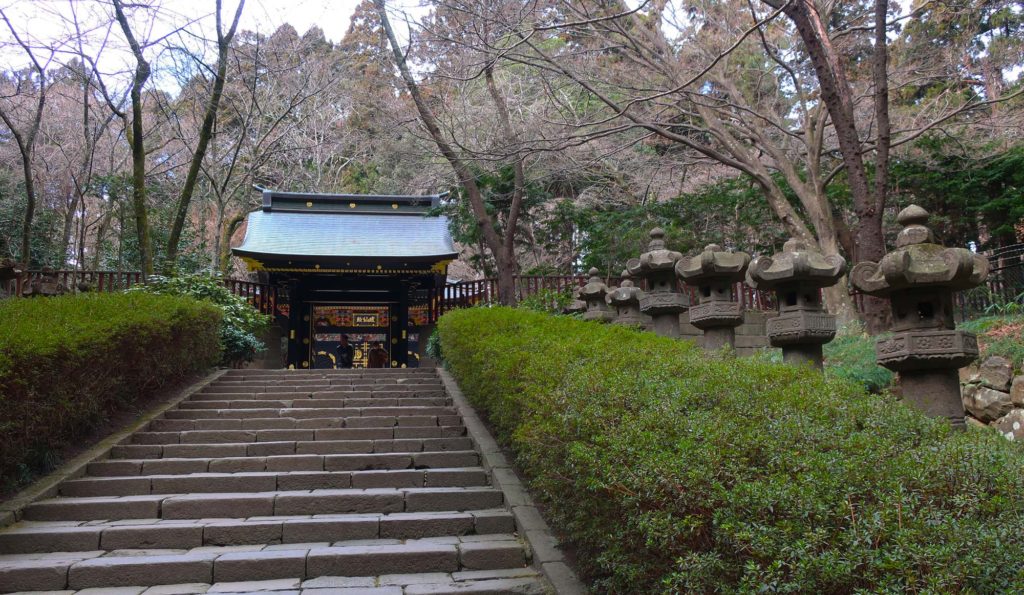

Conveniently enough, three must-see Sendai sightseeing spots are all clustered together (they’re each about a fifteen minute walk apart), so it’s pretty easy to see them all in one shot.
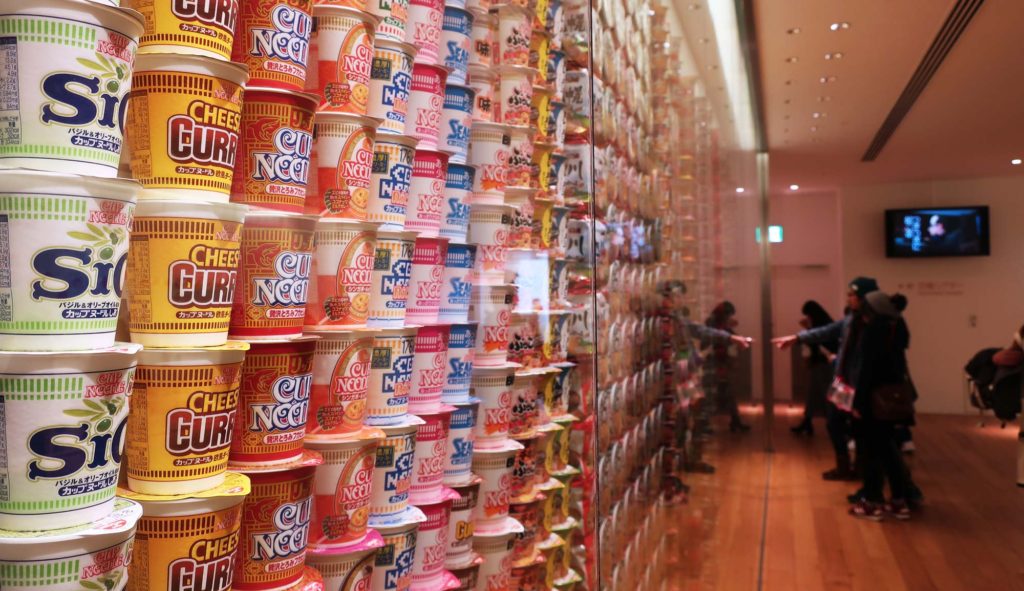
The Cup Noodles Museum might have been one of my bigger disappointments in Tokyo. Maybe that’s on me for being really excited about going to a museum all about Cup Noodles.

If you’re in Tokyo and you’re into watches, visiting the Seiko Museum is a no-brainer. It’s not particularly large, but it’s free, and it’s quite interesting.
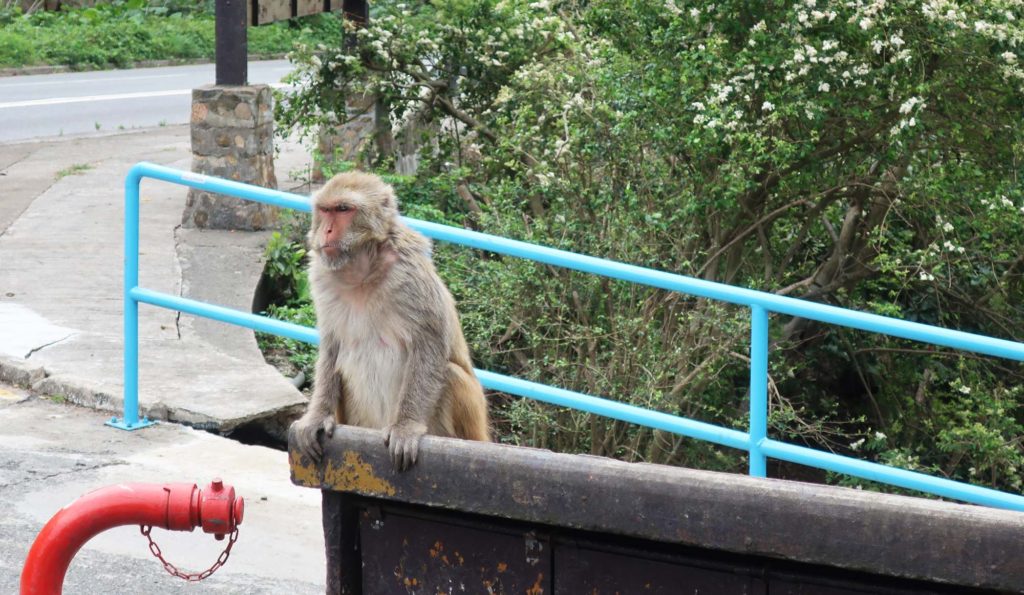
There’s a series of hiking trails in Hong Kong in the Kam Shan Country Park — which is also known as Monkey Hill or Monkey Mountain, thanks to the population of monkeys who hang out in the area.
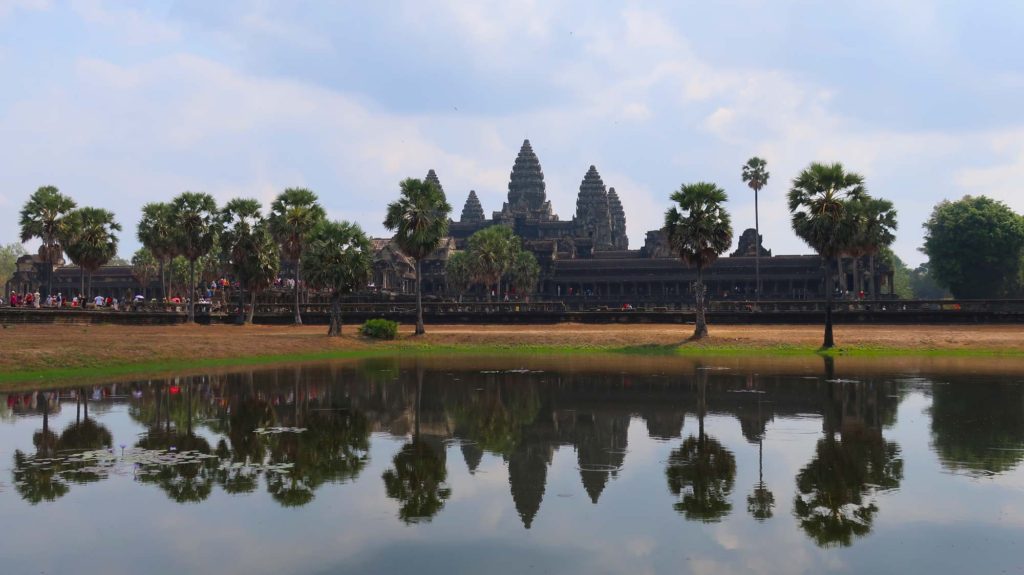
Is there anybody in the history of the planet who went to Siem Reap but didn’t go to Angkor Wat? I suppose there was probably at least one maniac who did this at some point, but it certainly wasn’t me.
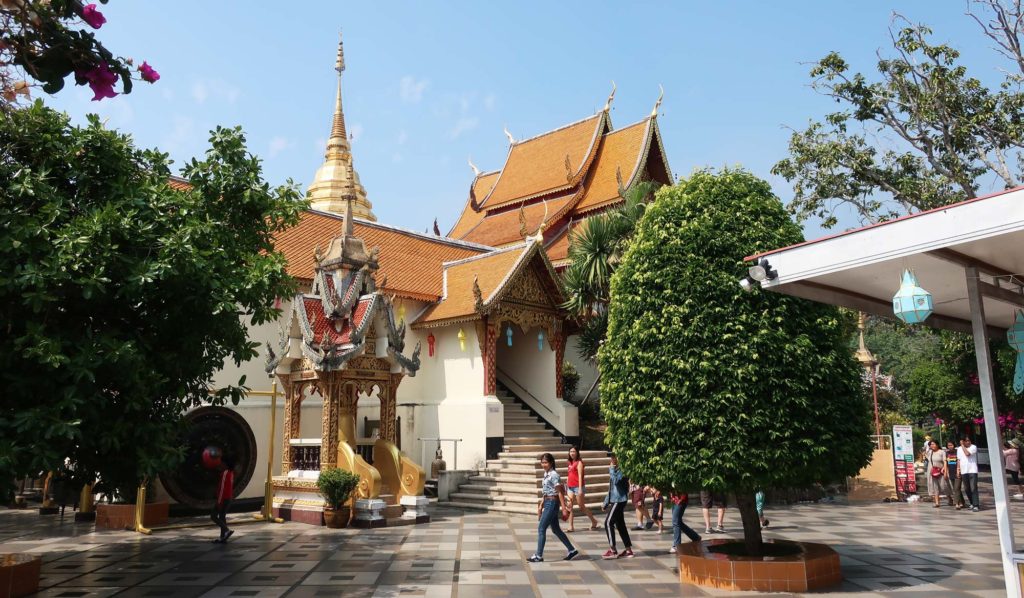
I mentioned that there are many, many temples in Chiang Mai. But the most famous one, Wat Phra That Doi Suthep, is actually just outside the city. It’s worth the trek.
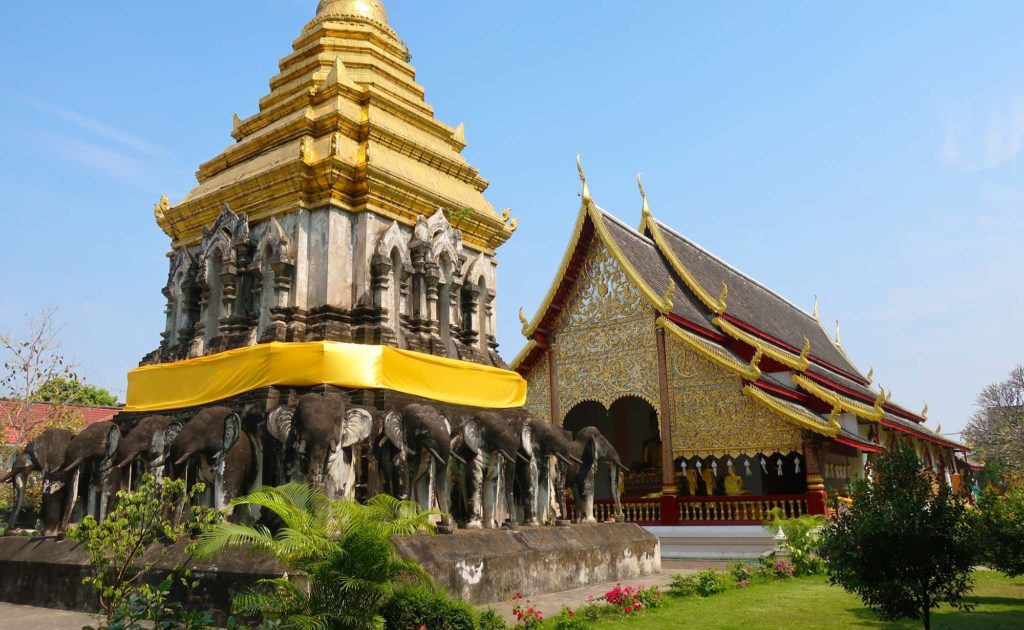
There are a ridiculous amount of temples in Chiang Mai. I don’t think you can walk more than a block or two without stumbling onto a temple. It reminds a bit of Kyoto in that way.
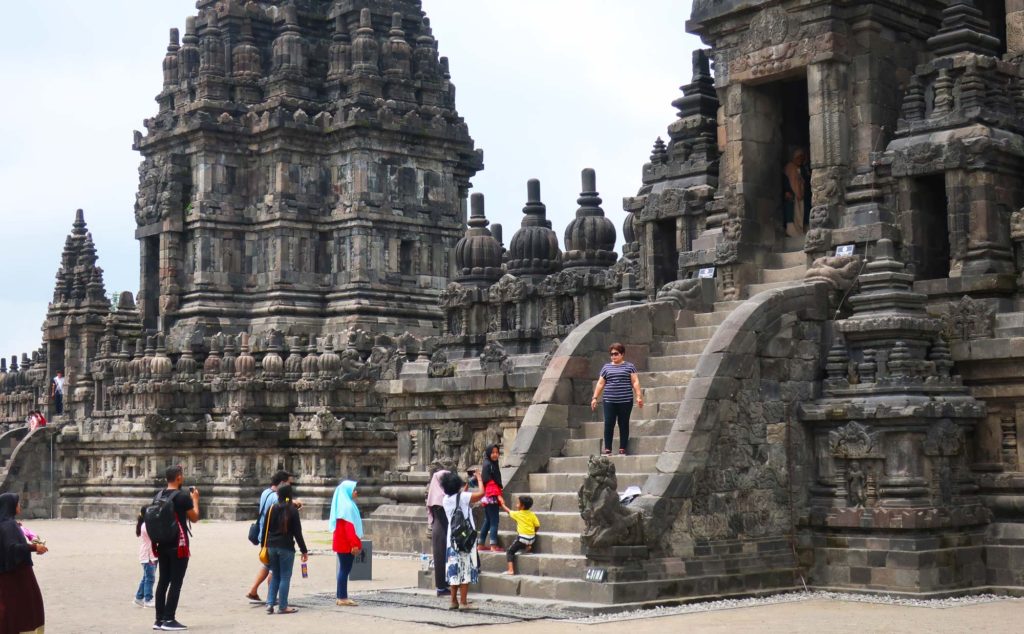
If you’re going to Borobudur Temple, you’re probably going to do Prambanan, too — it’s the other major temple in Yogyakarta, and another big reason why people come here in the first place. You can even buy a combined Prambanan/Borobudur ticket, so yeah, don’t fight it. You’re going to see both.
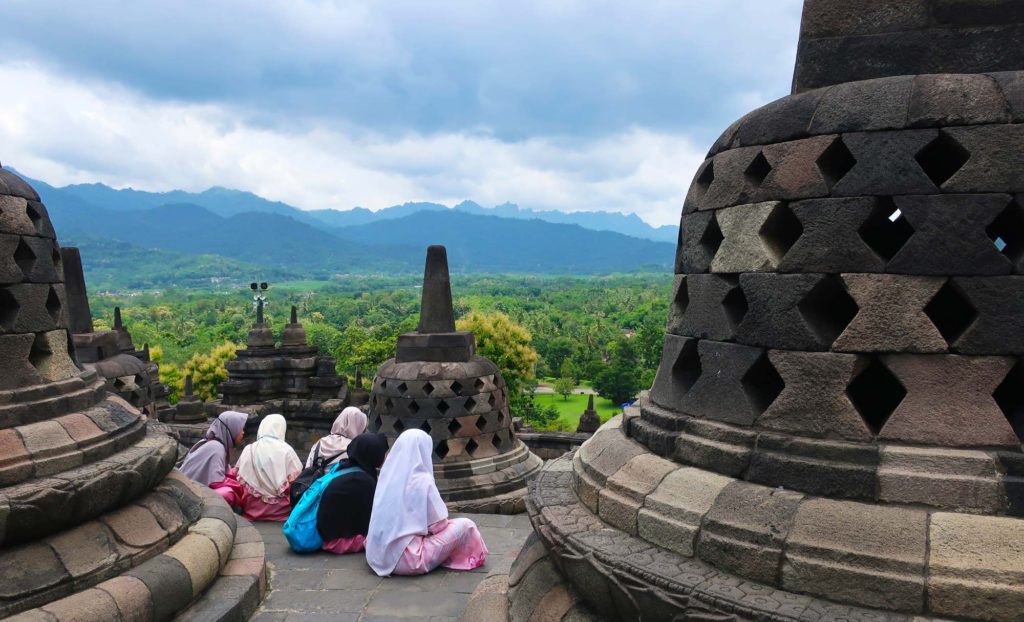
Saying “if you’re in Yogyakarta, you have to see Borobudur” is kind of like saying “if you’re in Paris, you have to see the Eiffel Tower.” Duh.
But seriously: if you’re in Yogyakarta, you have to see Borobudur. It’s amazing.
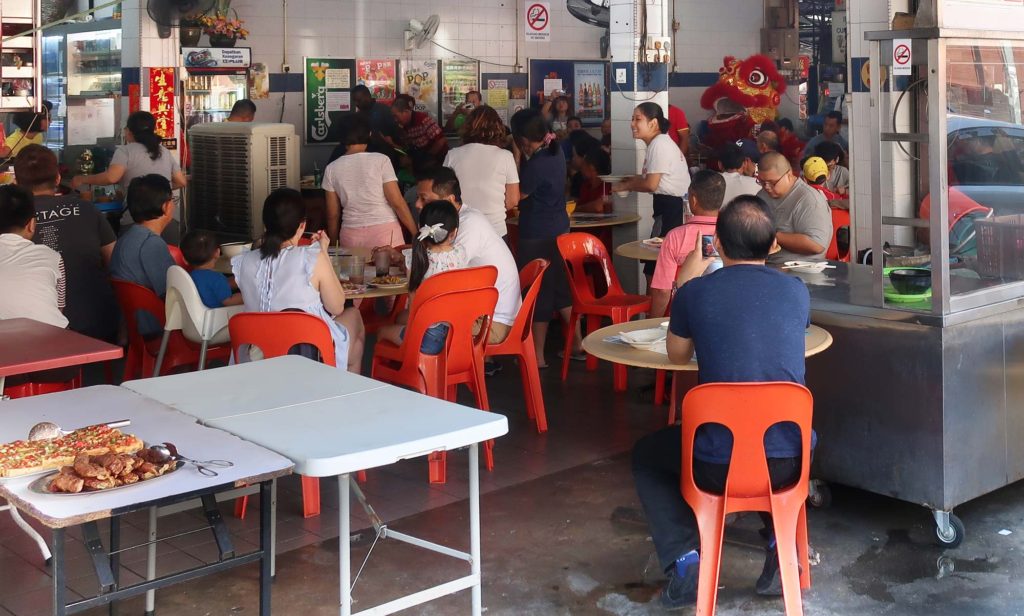
I happened to be passing by a hawker centre in Penang while a special ceremony for Chinese New Year was happening. It involved dancing and drums; when one of the proprietors noticed my interest, he came over and explained it to me.