

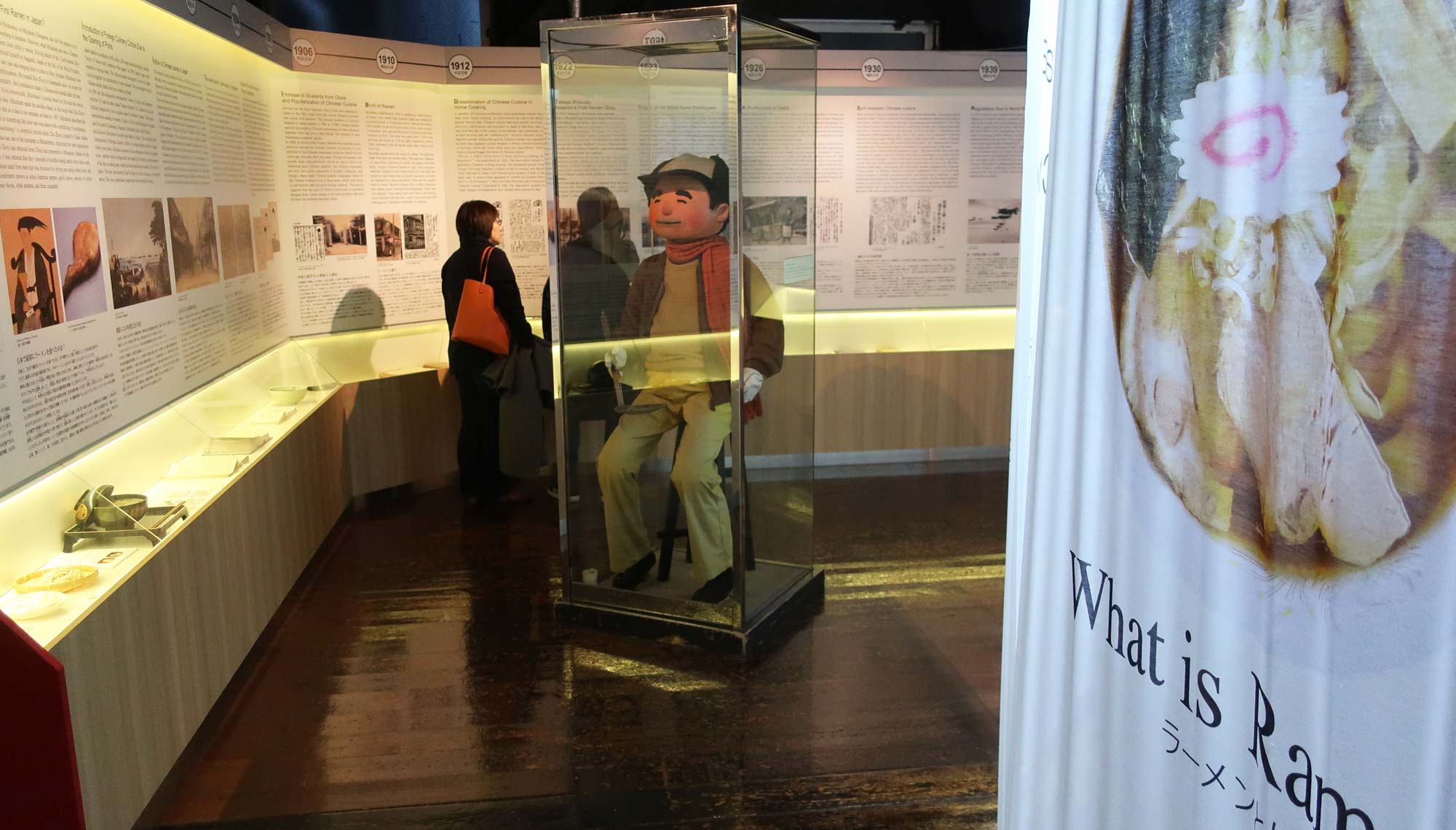
The Shin-Yokohama Ramen Museum calls itself a museum, which is basically just an excuse to charge an admission fee. Yes, there’s one small room which outlines the history of ramen, but for the most part this is a food court.
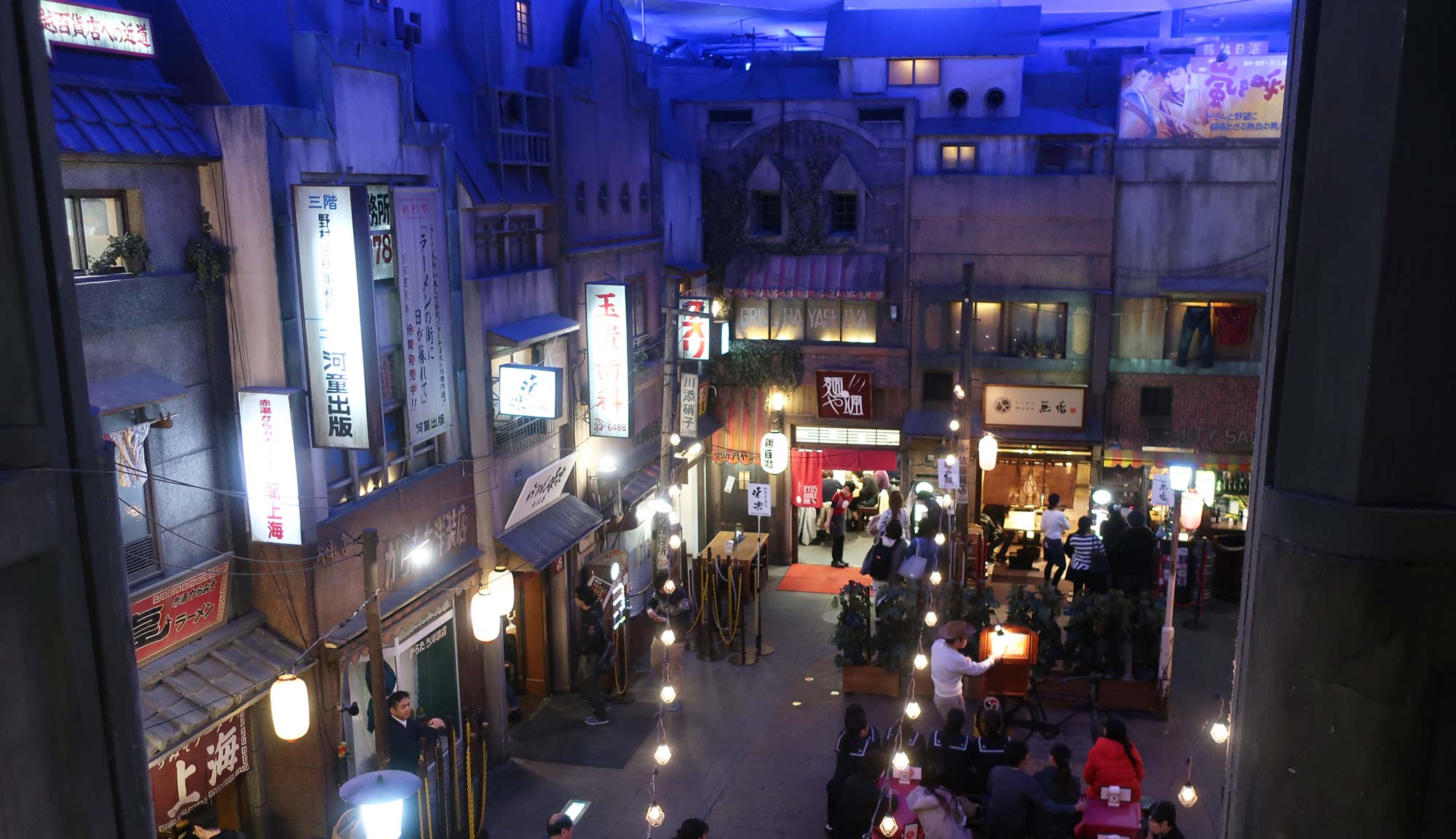
It’s a fancy food court, mind you — it’s designed to look like 1950s Tokyo, with a pretty impressive amount of detail. All of the vendors are hand-picked and serve amazing ramen. But it’s still a food court.
Still, admission is only 310 yen (about $3.75 Canadian), so it’s not going to break the bank.
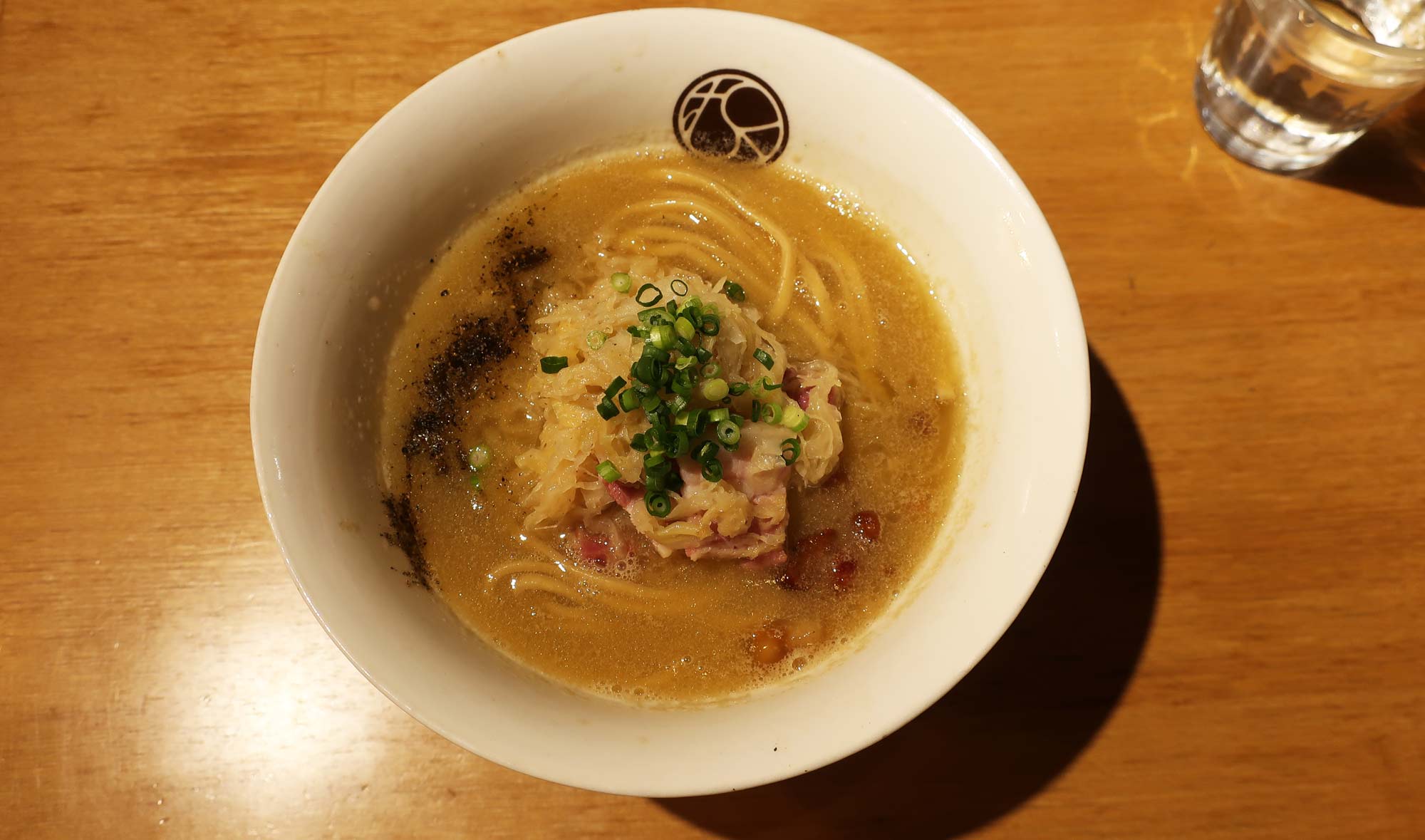
Once you’re in there, it’s hard to decide; everything looks so good. I heard that Muku Zweite — the Japanese outpost of a German restaurant — serves a bowl of ramen that’s as unique as it is delicious.
I tried it, and I can absolutely confirm that both of those things are true: it is very unique, and very, very (very very very) delicious.
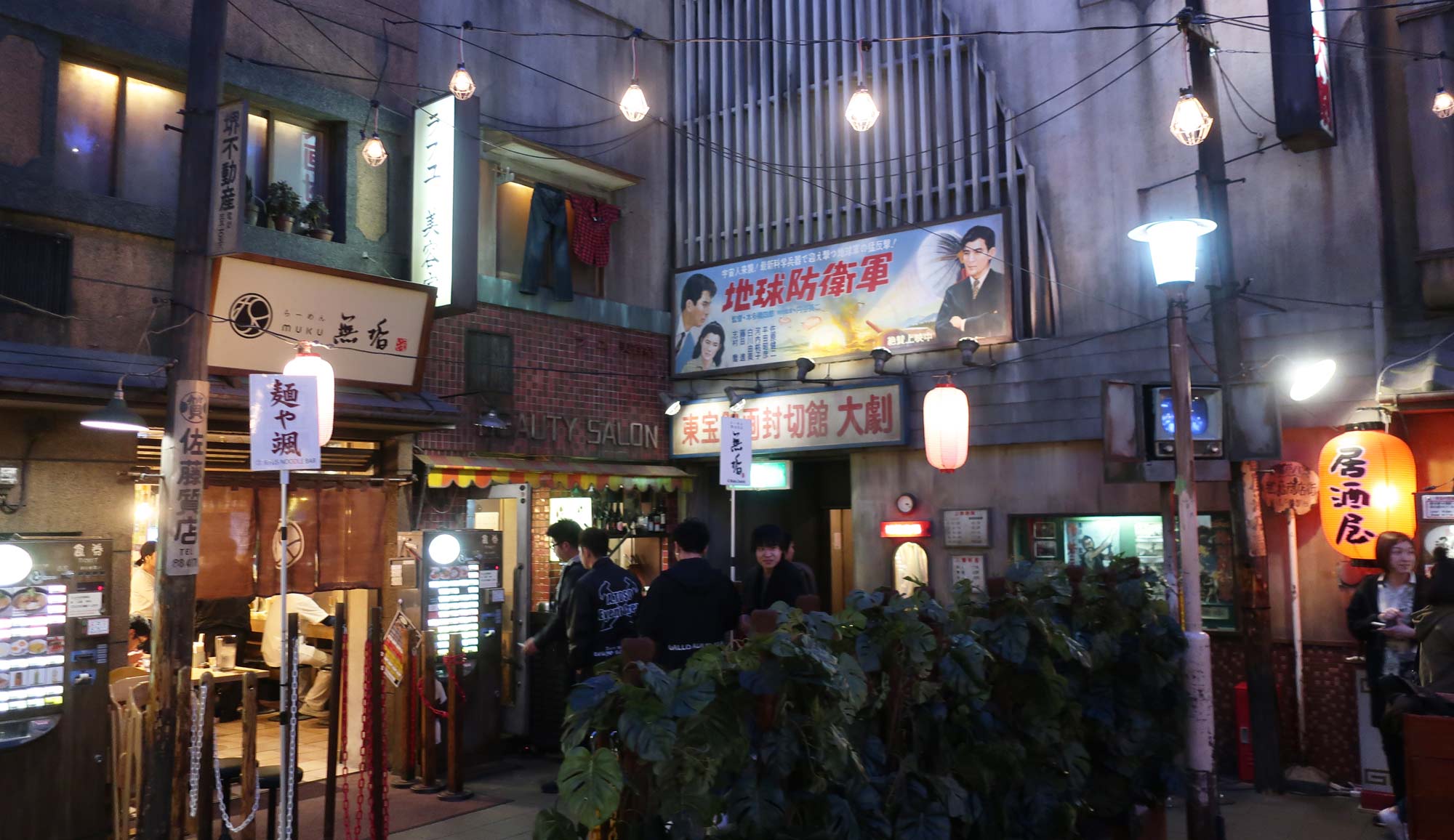
They serve a few different types of ramen, but the one they’re known for combines European and Japanese flavours in a way that’s downright ingenious.
It’s topped with sauerkraut (with, I think, caramelized onions mixed in? It definitely has that sweet caramelized onion flavour), thickly-sliced pork belly that’s more like bacon than your typical chashu, fried cubes of pork fat (these things are pure magic), chives, and black pepper.
The flavour is bonkers. The soup is incredibly rich, but there’s so much going on. This is definitely one of those magical bowls of ramen where you’re discovering something new with every mouthful.
The Japanese/German fusion works so much better than it has any right to. It never tastes like two disparate cuisines being crammed together — the flavours all feel so right. It’s crazy good.
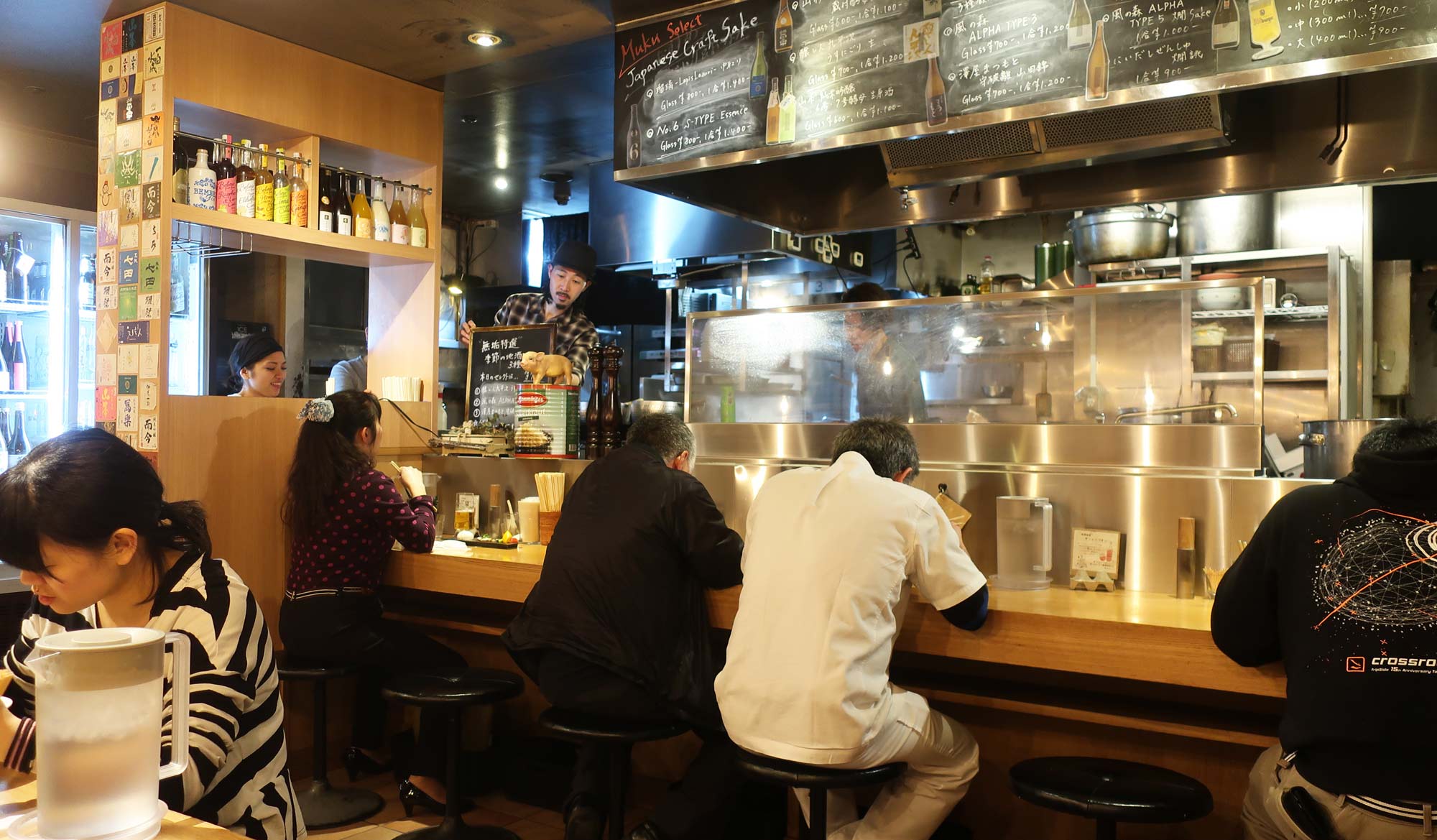
The thick noodles are great, too — perfect thickness, perfect amount of chew.
That’s the whole bowl: perfect. I don’t know that it’s the best bowl of ramen that I’ve ever had, but it’s right up there.
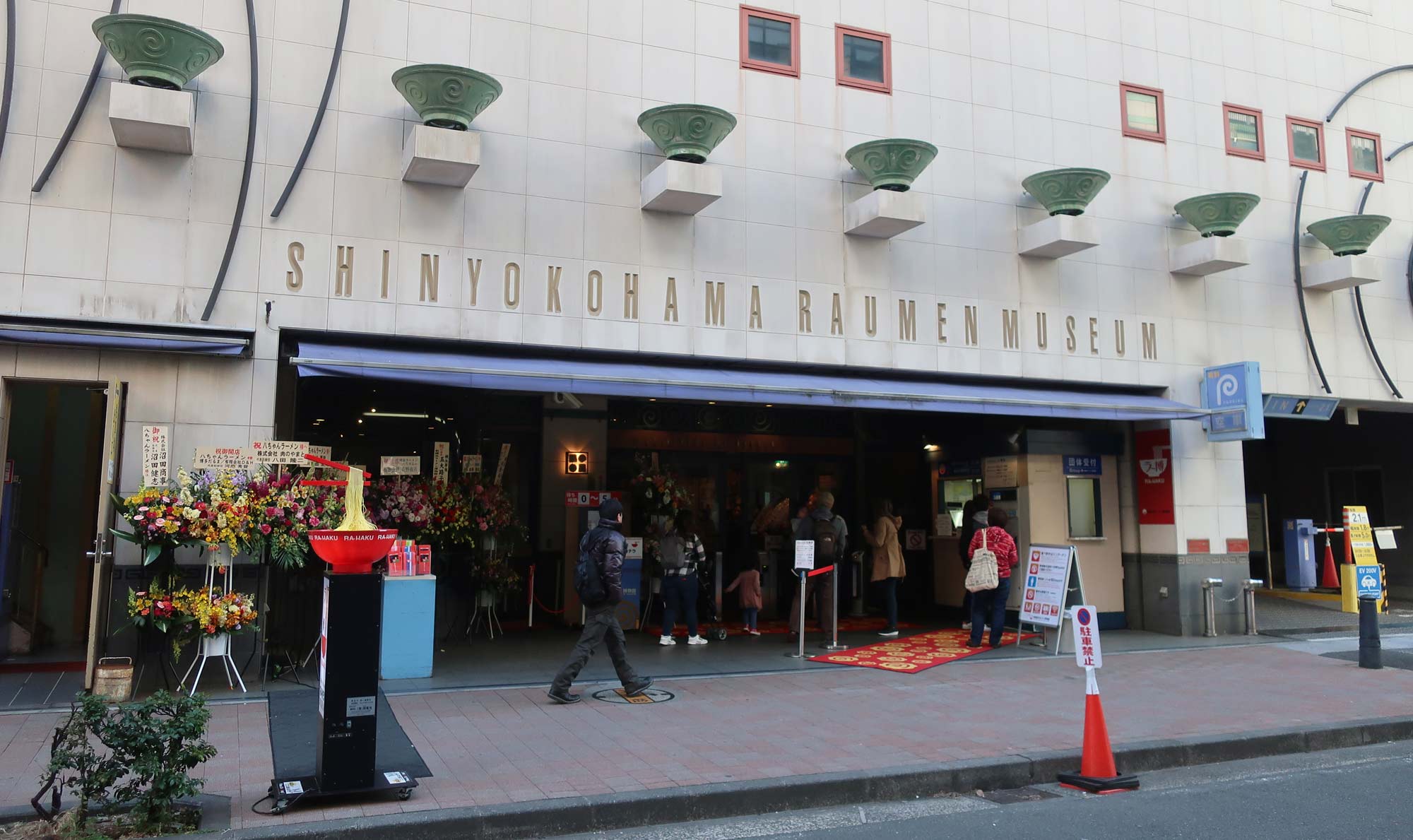
Location: 2 Chome-14-21 Shinyokohama, Kōhoku-ku, Yokohama-shi, Kanagawa-ken 222-0033
How to find it: The building is weirdly bland on the outside considering what it looks like inside. Still, the sign is in English, so it’s hard to miss.